

How to Protect Your Lodi Roof from Heat and Dry Rot Damage
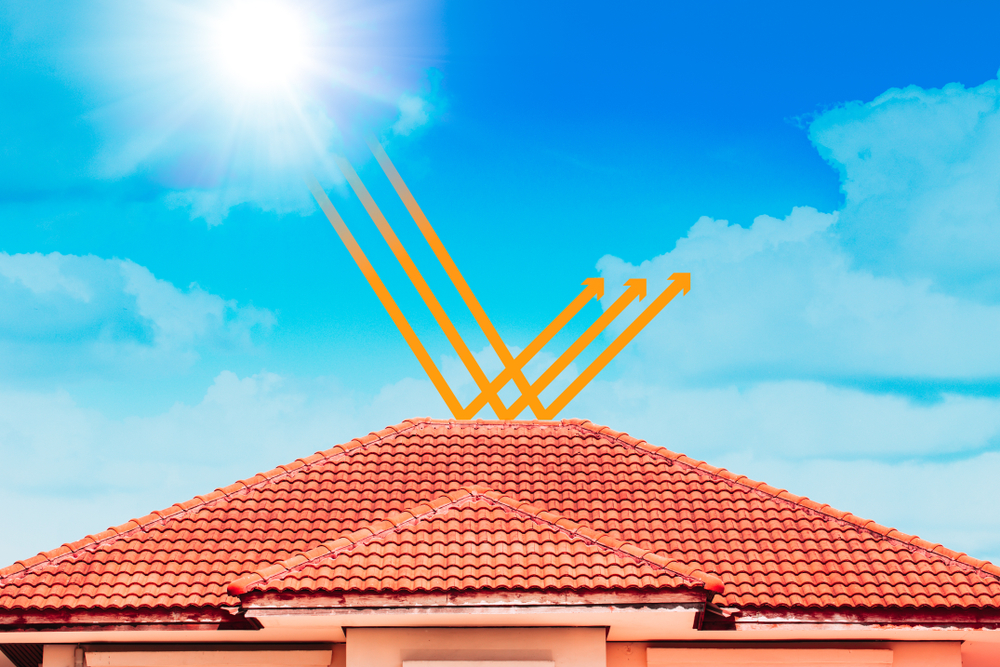
The long, hot summers in California’s Central Valley can be tough on residential and commercial roofs. In areas like Lodi, months of intense sun, dry conditions, and occasional winter moisture create an environment where roofing materials can deteriorate faster than many property owners realize. Learning how heat and dry rot affect your roof can help you avoid costly repairs and extend its lifespan.
Quick Answer
Protecting your roof from heat and dry rot starts with regular inspections, proper ventilation, prompt repairs, and keeping moisture out of vulnerable areas. High temperatures can accelerate the aging of roofing materials, while dry rot develops when wood experiences repeated moisture exposure followed by warm, dry conditions. Routine roof maintenance helps identify problems before they become expensive structural repairs.
What Local Readers Should Know
-
Lodi experiences long periods of summer heat that can speed up the aging of roofing materials.
-
Dry rot often begins in hidden areas around flashing, roof penetrations, or damaged shingles where moisture becomes trapped.
-
Homes throughout San Joaquin County, including nearby Stockton, Galt, and Acampo, may experience similar roofing challenges due to the regional climate.
-
Seasonal roof inspections can identify small issues before they spread into the roof decking or framing.
-
Proper attic ventilation helps reduce excessive roof temperatures and limits moisture buildup.
Why This Matters Locally
Heat is one of the biggest challenges for roofs throughout Lodi and the surrounding Central Valley. Summer temperatures frequently climb into the triple digits, placing continuous stress on shingles, underlayment, flashing, and exposed sealants. While the region is generally dry, winter rains and morning dew can introduce moisture into small openings. As that moisture repeatedly cycles between damp and dry conditions, wood components can begin to deteriorate if repairs are delayed.
At Gonzalez Roofing, we regularly help homeowners identify roofing issues caused by these local weather patterns. Our goal is to help property owners address small problems before they require more extensive repairs.
Local Field Observations
Based on professional roofing experience throughout the Lodi area, prolonged sun exposure often causes roofing materials to become brittle sooner than expected. We also frequently see dry rot developing around roof penetrations such as vents, skylights, chimneys, and valleys where moisture has found its way beneath roofing materials. Older homes with aging ventilation systems may experience accelerated wear during extended summer heat.
How Heat and Dry Rot Impact Local Roofs
Heat and dry rot can affect both the appearance and structural integrity of a roof.
Extended heat exposure may cause:
-
Premature aging of asphalt shingles
-
Cracked sealants around flashing
-
Expansion and contraction of roofing materials
-
Reduced flexibility in shingles and membranes
Dry rot may lead to:
-
Weak roof decking
-
Damaged fascia boards
-
Deteriorating eaves
-
Structural wood damage if left untreated
These issues often develop gradually, making regular inspections especially valuable.
Warning Signs to Watch For
Several warning signs may indicate your roof has been affected by excessive heat or dry rot.
-
Curled, cracked, or brittle shingles
-
Soft spots when walking on the roof, if inspected safely by a professional
-
Peeling or blistering paint around roof edges
-
Water stains in the attic
-
Damaged or loose flashing
-
Wood that appears cracked, crumbly, or discolored
-
Sagging roof sections
-
Increased energy bills due to reduced attic ventilation
When to Call a Professional
You can safely perform visual inspections from the ground using binoculars or by checking your attic for signs of water intrusion. However, if you notice damaged shingles, soft wood, visible leaks, or signs of dry rot, a professional roof inspection is recommended.
A roofing professional can identify hidden moisture damage that may not be visible from the surface and determine whether repairs are sufficient or if additional restoration is needed.
Common Local Causes
Several factors contribute to roofing damage in the Lodi area.
1. Prolonged Summer Heat
Continuous UV exposure accelerates the aging process of roofing materials.
2. Poor Attic Ventilation
Without proper airflow, attic temperatures can become significantly hotter than outdoor temperatures, increasing stress on the roof system.
3. Small Roof Leaks
Minor leaks around flashing or roof penetrations allow moisture to reach wood components.
4. Aging Roofing Materials
Older roofs naturally become more vulnerable to cracking, moisture intrusion, and dry rot.
5. Deferred Maintenance
Ignoring small repairs often allows moisture damage to spread into structural components.
Prevention and Maintenance
Preventing heat and dry rot damage is often less expensive than repairing extensive deterioration.
Helpful maintenance practices include:
-
Schedule professional roof inspections at least once a year.
-
Remove leaves and debris from valleys and gutters.
-
Replace damaged shingles promptly.
-
Ensure attic vents remain unobstructed.
-
Repair flashing as soon as deterioration appears.
-
Trim overhanging tree branches that trap moisture against the roof.
-
Inspect the attic after significant winter storms.
Most homeowners can safely monitor visible conditions from the ground, but roof repairs should be handled by qualified professionals.
Expected Results
With regular maintenance and timely repairs, many roofing systems can continue performing well for years. Early detection of dry rot often limits repairs to smaller sections of the roof instead of requiring extensive structural work. Improving attic ventilation may also reduce heat buildup and help roofing materials age more gradually.
Common Mistakes
Mistake: Waiting until a leak appears.
Consequence: Moisture may already have caused hidden wood damage.
Better Approach: Schedule periodic inspections before leaks develop.
Mistake: Replacing only damaged shingles without identifying the source of moisture.
Consequence: Dry rot can continue spreading underneath the roofing materials.
Better Approach: Address both the visible damage and the underlying cause.
Mistake: Ignoring attic ventilation.
Consequence: Excessive heat can shorten the life of roofing materials.
Better Approach: Have ventilation evaluated during routine roof inspections.
Common Local Scenario
A common situation in Lodi involves a homeowner noticing a few cracked shingles after another hot summer. Since there are no interior leaks, repairs are postponed. Months later, winter rain enters through the damaged area, allowing moisture to reach the roof decking. By the time discoloration appears inside the home, dry rot has already developed beneath the roofing materials. Early inspection and minor repairs could have prevented more extensive restoration.
Related Service Solutions
Several roofing services can help reduce the risk of heat and dry rot damage.
-
Roof inspections
-
Roof repairs
-
Flashing replacement
-
Dry rot repair
-
Roof replacement when materials have reached the end of their service life
-
Preventive maintenance programs
Comparing Your Options
| Option | Advantages | Considerations |
|---|---|---|
| DIY Visual Inspection | Helps identify obvious issues early | Limited to visible areas and should be performed safely |
| Professional Roof Inspection | Identifies hidden damage and moisture intrusion | Recommended annually or after severe weather |
| Minor Roof Repair | Addresses isolated damage quickly | Best when performed before dry rot spreads |
| Roof Replacement | Appropriate for roofs nearing the end of their service life | May provide a long-term solution for widespread deterioration |
Service Areas
We proudly serve homeowners and businesses throughout Lodi and nearby communities including Stockton, Galt, Acampo, Lockeford, and other areas across San Joaquin County. Our roofing services are tailored to the challenges created by the Central Valley climate.
Cost of Ignoring the Issue
Delaying roof repairs can allow heat damage and moisture intrusion to worsen over time. Small roofing problems may develop into damaged decking, fascia replacement, insulation issues, or interior water damage. Addressing concerns early is typically less disruptive than waiting until more extensive repairs become necessary.
Frequently Asked Questions
How does the summer heat affect roofs in Lodi?
High temperatures and prolonged UV exposure can accelerate the aging of roofing materials, causing shingles, sealants, and flashing to deteriorate more quickly over time.
What causes dry rot on roofs in San Joaquin County?
Dry rot develops when wood experiences repeated moisture exposure followed by warm conditions. Small roof leaks, damaged flashing, and poor ventilation are common contributing factors.
Can dry rot spread if it is not repaired?
Yes. Dry rot can continue affecting nearby wood components if moisture remains present, potentially increasing the amount of repair work required.
How often should homeowners in Lodi schedule roof inspections?
Annual inspections are generally recommended, with additional inspections after significant storms or if visible roof damage is noticed.
Is attic ventilation important during Central Valley summers?
Yes. Proper ventilation helps reduce excessive attic temperatures and can lessen the stress placed on roofing materials during hot weather.
Can heat alone cause roof leaks?
Heat itself does not usually create leaks, but it can cause roofing materials to crack, shrink, or deteriorate, making them more susceptible to water intrusion during rainy weather.
Should I replace my roof if I find dry rot?
Not necessarily. The appropriate solution depends on how extensive the damage is. A professional inspection can determine whether repairs or replacement are the better option.
What areas near Lodi experience similar roofing conditions?
Communities such as Stockton, Galt, Lockeford, Acampo, and surrounding areas throughout San Joaquin County experience many of the same seasonal roofing challenges due to similar climate conditions.
Protect Your Roof Before Small Problems Grow
Heat and dry rot often develop gradually, making routine maintenance one of the most effective ways to protect your investment. Regular inspections, timely repairs, and proper ventilation can help your roof continue performing through the changing seasons.
Protect Your Lodi Roof with Confidence
Whether you have concerns about heat damage, dry rot, or general roof wear, we’re here to help you understand your options and recommend practical solutions for your property.