

Protecting Your Lodi Home: Why a Post-Winter Roof Inspection is Non-Negotiable
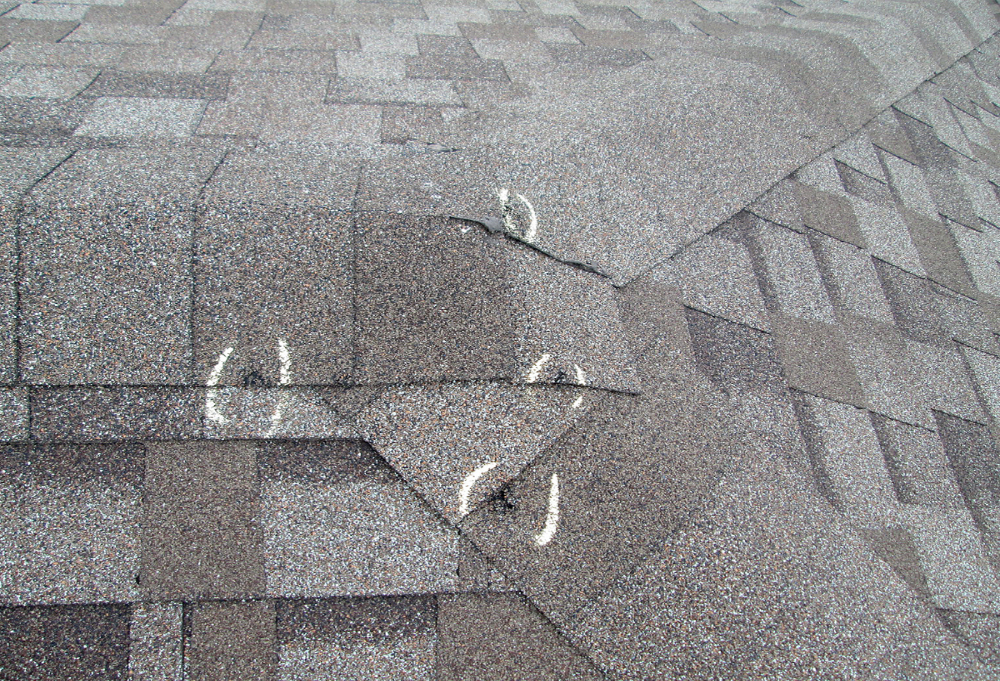
Winter in the Central Valley may not bring the brutal snowstorms that hammer other parts of the country, but Lodi, CA homeowners know all too well that the season still takes a toll on residential roofing systems. Heavy rainfall, strong winds, fluctuating temperatures, and the occasional frost can quietly degrade your roof over the course of just a few months. By the time spring arrives, what started as a minor issue can evolve into a full-blown roofing emergency if left unaddressed.
A post-winter roof inspection is not just a good idea; it is one of the most important steps you can take to protect your home and your investment.
What Winter Actually Does to Your Roof
Most Lodi, CA residents underestimate how much stress the winter season places on a roofing system. While the valley avoids heavy snow loads, the wet season brings its own unique challenges. Prolonged exposure to moisture is one of the leading causes of roof deterioration. When rain seeps beneath cracked or curling shingles, it can penetrate the underlayment and eventually reach the wooden decking below. Over time, this moisture leads to rot, mold, and structural compromise.
Wind is another major culprit. Winter storms rolling through the Central Valley can lift shingle edges, pop roofing nails, and even tear away entire sections of roofing material. These gaps, no matter how small they appear, create entry points for water that can trigger roofing emergencies down the line. Additionally, the cycle of cool nights and warmer days common in Lodi, CA causes roofing materials to expand and contract repeatedly. This thermal movement gradually weakens the adhesive bonds that hold shingles in place and can cause flashing around chimneys, vents, and skylights to separate from the roof surface.
Gutters also play a role in winter roof damage. When gutters clog with debris and overflow, standing water backs up along the roofline and saturates the fascia and soffit. Left unchecked, this leads to wood decay and potential water intrusion into the attic. A thorough post-winter roof inspection examines all of these components together, giving you a complete picture of your roof’s health before the warmer months arrive.
The Hidden Dangers of Skipping a Roof Inspection
Many homeowners in Lodi, CA make the mistake of assuming that if no obvious leaks are present, the roof must be fine. This logic is understandable, but it can be costly. Roof damage is often invisible from the ground and can develop slowly over time before presenting any interior symptoms. By the time you notice water stains on your ceiling or feel a draft near the attic hatch, the underlying damage may already be extensive.
Skipping a post-winter roof inspection puts you at risk for several serious problems. Undetected moisture damage can spread through your attic insulation, reducing its effectiveness and driving up your energy bills. Mold and mildew colonies can establish themselves in damp, dark spaces and eventually affect your home’s indoor air quality. Structural damage to roof decking or rafters can compromise the integrity of the entire roofing system and lead to expensive roof repair or even full roof installation projects that could have been prevented with early detection.
Roofing emergencies rarely announce themselves in advance. A roof that looks acceptable in March can fail catastrophically in April when the first major spring rainstorm arrives. The cost difference between a minor roof repair caught in time versus an emergency roof replacement is substantial, and the disruption to your household is significant. Scheduling a professional inspection in the weeks following winter gives you the advantage of identifying problems while solutions are still straightforward and affordable.
What a Professional Roof Inspection Covers
A qualified roofing contractor serving Lodi, CA will conduct a comprehensive evaluation that goes well beyond a visual scan from the street. The inspection begins on the exterior, where the contractor examines every plane of the roof for signs of shingle damage, including cracking, curling, blistering, granule loss, and missing pieces. Granule loss is particularly telling; when asphalt shingles shed granules, they are signaling the end of their effective lifespan and becoming increasingly vulnerable to UV damage and water intrusion.
The inspector will also assess all flashing installations, which are the thin strips of metal or membrane material that seal the transitions between the roof surface and vertical structures. Flashing around chimneys, pipe boots, skylights, and roof valleys is among the most common source of leaks. Even minor separation or rust can allow water to infiltrate these critical junctions.
Gutters and downspouts are examined for proper attachment, slope, and drainage. The fascia and soffit boards are checked for rot or pest damage. If attic access is available, a responsible contractor will also inspect the interior, looking for signs of moisture, inadequate ventilation, or compromised insulation. Ventilation is an often overlooked factor in roof longevity; without proper airflow, heat and moisture build up in the attic and accelerate the deterioration of roofing materials from the inside out.
After the inspection, a reputable roofing contractor will provide a detailed report of findings along with prioritized recommendations. This gives homeowners a clear roadmap for any necessary roof repair and allows for informed decisions about budgeting and timing.
When Inspection Leads to Roof Repair or Roof Installation
Not every post-winter inspection will result in a repair call, but when it does, acting promptly is essential. Minor roof repair needs, such as replacing a handful of damaged shingles or resealing flashing, are relatively inexpensive and quick to address. Catching these issues early keeps your roof performing at full capacity and extends its overall lifespan.
However, some inspections reveal that a roof has reached the end of its functional life. In Lodi, CA, where homes vary widely in age and roofing material type, it is not uncommon for older properties to have roofs that have been patched repeatedly and can no longer be reliably maintained. In these cases, a full roof installation is the most cost-effective long-term solution. A new roof installation eliminates the guesswork of ongoing repairs, comes with a manufacturer’s material warranty and a contractor’s workmanship warranty, and dramatically improves the energy efficiency and curb appeal of your home.
When roofing emergencies arise from delayed maintenance, homeowners often face compressed timelines and limited choices. Acting proactively after winter ensures that you are making roofing decisions on your own terms rather than under the pressure of an active leak or structural failure. A reputable roofing contractor in Lodi, CA will work with you to evaluate your options honestly and help you choose the solution that fits your home and your budget.
Conclusion
Your roof is your home’s first and most important line of defense against the elements, and winter is one of its greatest adversaries. For homeowners in Lodi, CA, scheduling a professional post-winter roof inspection is a straightforward step that carries significant protective value. Whether the result is a clean bill of health, a targeted roof repair, or a full roof installation, the knowledge you gain from a professional assessment is invaluable. Do not wait for roofing emergencies to force your hand. Take control of your home’s protection this spring and schedule your inspection before minor winter damage becomes a major problem.
Need a Roofing Contractor in Lodi, CA?
Established in 2003, Gonzalez Roofing is a roofing and general contractor based in Lodi, California. We specialize in just about everything when it comes to roofing and general contracting including repairs, installations, maintenance, and gutter services for residential locations. With over 15 years of experience, we value providing quality services and high attention to detail. Contact us today for more information!