

Top Roofing Materials for San Joaquin County Homes: Durability, Cost, and Energy Efficiency
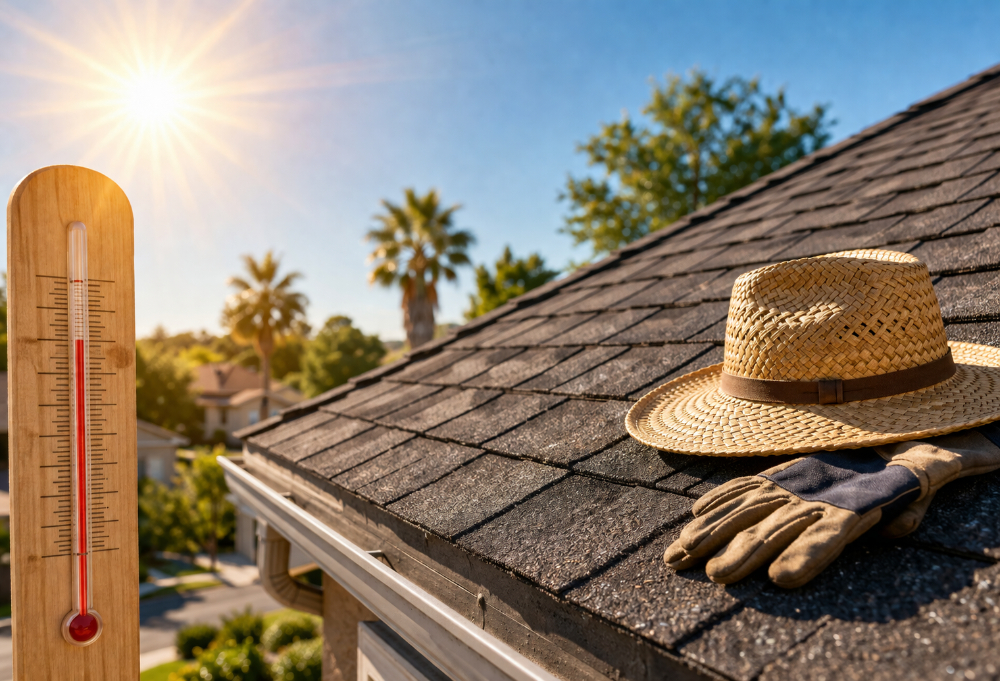
San Joaquin County roofs have to handle long, hot summers, intense sun exposure, winter rain, and years of temperature swings. For homeowners in Lodi, choosing a roofing material is not simply about appearance. The right roof can affect maintenance needs, indoor comfort, energy use, and how well the home stands up to local weather.
Quick answer: Asphalt shingles, concrete or clay tile, and metal roofing are among the most practical roofing options for San Joaquin County homes. Asphalt shingles typically offer the most approachable upfront cost, while tile can provide excellent longevity and heat resistance. Metal roofing combines durability with strong reflective options that can help manage summer heat. The best choice depends on the home’s structure, budget, roof design, and long-term ownership plans.
What local homeowners should know
-
Asphalt shingles are a practical choice for many Lodi homes because they balance installation cost, appearance, and repairability.
-
Reflective roofing products can be particularly valuable during hot Central Valley summers by reducing the amount of solar heat absorbed by the roof.
-
Tile roofing suits the region’s dry climate well, but its weight means the existing roof structure must be evaluated before installation.
-
Metal roofing generally costs more upfront but can provide a long service life and strong resistance to sun, wind, and rain.
-
Roof color, attic ventilation, insulation, and installation quality can influence energy performance almost as much as the roofing material itself.
Why Roofing Material Matters in San Joaquin County
Roofing material matters in San Joaquin County because local roofs spend much of the year exposed to strong sun and summer heat, followed by cooler temperatures and periods of winter rain. Those conditions make heat performance, UV resistance, drainage, and long-term material durability important considerations when replacing a roof.
Homes across Lodi, Stockton, Manteca, Ripon, and surrounding agricultural communities also vary considerably in age and construction. A material that works well on a newer home may not automatically be appropriate for an older roof structure.
Gonzalez Roofing helps local property owners evaluate roofing choices based on the building itself and the conditions it faces. We look beyond appearance and consider factors such as roof slope, existing construction, ventilation, drainage, material weight, and the homeowner’s priorities.
Local Climate and Roofing Performance
San Joaquin County’s hot, dry summers make solar heat and prolonged UV exposure major considerations when comparing roofing materials. A roof that absorbs large amounts of solar energy can become extremely hot, while reflective surfaces and properly designed roofing assemblies can reduce heat transfer into the building.
California’s energy-efficiency standards also make roof performance an important part of many roofing projects. Specific requirements can vary according to the building and scope of work, so homeowners should verify which current standards apply before selecting materials.
Field conditions matter, too. Dust, leaves, debris, aging sealants, clogged drainage areas, and repeated sun exposure can all contribute to roof wear. Around mature tree-lined parts of Lodi, routine debris removal may be especially important for keeping valleys and gutters clear.
Comparing the Top Roofing Materials
The top roofing materials for local homes are asphalt shingles, tile, and metal because each offers a different balance of initial cost, durability, appearance, and energy performance. There is no single material that is best for every San Joaquin County property.
Asphalt Shingles
Asphalt shingles are usually the practical starting point for homeowners comparing roofing options. They are widely used, available in many styles and colors, and individual damaged areas can often be repaired without replacing an entire roofing system.
For a Lodi homeowner focused on controlling the initial project budget, shingles may make sense. Reflective shingle products can also improve solar performance compared with darker, more heat-absorbing options.
The tradeoff is that shingles remain exposed to UV radiation and heat year after year. Proper attic ventilation and installation are therefore important parts of the overall system.
Concrete and Clay Tile
Tile roofing offers excellent durability potential and is well suited to hot, sunny environments. Concrete and clay products also create a distinctive appearance that works particularly well with Spanish, Mediterranean, and similar California home designs.
Weight is one of the biggest considerations. Tile is considerably heavier than many other roofing products, so homeowners should not assume an existing structure can support it without evaluation.
Individual tiles can also crack from impact or improper foot traffic. Professional inspection is preferable when a homeowner suspects damaged tile.
Metal Roofing
Metal roofing offers a strong combination of durability, weather resistance, and energy-conscious design options. Reflective finishes can help reduce solar heat absorption, making metal especially appealing for properties exposed to direct Central Valley sun.
The primary obstacle is usually upfront cost. Metal systems often require a larger initial investment than standard asphalt shingles.
For homeowners planning to stay in their property for many years, however, comparing lifetime maintenance and replacement expectations can be more useful than looking at installation price alone.
Warning Signs Your Current Roof May Need Attention
A roof should be professionally evaluated when visible deterioration, recurring leaks, or widespread material damage suggests that normal maintenance may no longer be enough. Lodi homeowners can safely inspect many warning signs from the ground without climbing onto the roof.
Watch for:
-
Missing, lifted, curled, or visibly damaged shingles
-
Cracked, displaced, or broken roof tiles
-
Rust, loose components, or damaged seams on metal roofing
-
Water stains appearing on ceilings or interior walls
-
Debris accumulating heavily in roof valleys
-
Damaged flashing around vents, chimneys, and roof transitions
-
Sagging or visibly uneven roof areas
-
Repeated leaks after winter rain
A single damaged component does not automatically mean the whole roof requires replacement. The extent, location, age, and underlying cause of the damage all matter.
When to Call a Roofing Professional
Homeowners should call a roofing professional when damage involves active leaks, structural concerns, widespread deterioration, or roof areas that cannot be inspected safely from the ground. Walking on a roof can create fall hazards and can also damage shingles or tiles when done incorrectly.
Simple homeowner maintenance can include checking gutters from a safe location, watching for interior stains, and visually monitoring the roof after storms. Repairs involving flashing, underlayment, decking, structural components, or significant material replacement should be evaluated professionally.
In Lodi, scheduling an inspection before the wetter part of the year can also provide time to address deterioration before repeated rainfall exposes weak areas.
Common Causes of Roofing Wear in the Central Valley
The most common local causes of roof wear include prolonged sunlight, heat cycling, water intrusion, debris buildup, and aging roofing components. These factors can affect roofing materials differently, which is why identifying the cause is more useful than simply covering a visible symptom.
-
Sun and UV exposure: Constant exposure can gradually age roofing surfaces and sealants.
-
Temperature changes: Heating during the day and cooling overnight repeatedly stress roofing components.
-
Winter moisture: Weak flashing, damaged materials, or drainage problems may become obvious once rain arrives.
-
Leaves and debris: Material trapped in valleys and gutters can interfere with normal drainage.
-
Aging components: Flashing, penetrations, sealants, and underlayment can deteriorate even when the main roofing surface still looks acceptable.
These issues can occur throughout San Joaquin County, from established neighborhoods in Stockton to homes near vineyards and agricultural areas surrounding Lodi.
Energy Efficiency and Your Roofing Choice
Energy-efficient roofing works by limiting unwanted solar heat gain while supporting the home’s insulation and ventilation system. Reflective roofing materials and lighter or specially formulated surfaces can be useful during hot Lodi summers, but roofing material is only one part of the home’s thermal performance.
Attic insulation and ventilation should also be considered during a roof replacement. A highly reflective surface cannot correct every insulation or ventilation problem underneath it.
Homeowners comparing products should ask about solar reflectance, product color, ventilation requirements, and how the complete roofing assembly fits the property rather than selecting a material based on appearance alone.
Comparing Cost, Durability, and Efficiency
Asphalt shingles generally favor lower upfront cost, tile favors durability and heat performance, and metal favors long-term durability with strong reflective options. The best value depends on how long the homeowner expects to own the property and whether the existing structure is suitable for the preferred material.
| Roofing Material | Upfront Cost | Durability Potential | Energy-Efficient Options | Key Consideration |
|---|---|---|---|---|
| Asphalt shingles | Lower | Good | Available | Heat and UV exposure |
| Concrete or clay tile | Higher | High | Strong potential | Structural weight |
| Metal | Higher | High | Strong potential | Initial investment |
Actual pricing depends on roof size, pitch, accessibility, removal requirements, decking condition, material selection, and installation complexity.
Common Roofing Material Mistakes
The biggest roofing material mistakes come from choosing based only on price or appearance instead of evaluating the complete roof system. A better decision accounts for the structure, climate, installation requirements, maintenance expectations, and long-term cost.
Mistake: Choosing the cheapest material automatically.
Consequence: Lower initial cost may not match long-term ownership goals.
Better approach: Compare installation, maintenance, expected service needs, and replacement planning.
Mistake: Selecting tile without considering weight.
Consequence: The existing structure may require additional evaluation.
Better approach: Confirm structural suitability before committing to a heavy roofing product.
Mistake: Ignoring attic conditions.
Consequence: A new roof may not address existing comfort or heat problems.
Better approach: Consider ventilation and insulation alongside the roofing material.
A Common Local Roofing Scenario
A common San Joaquin County scenario is an older asphalt-shingle roof showing widespread sun-related wear while the homeowner is deciding between another shingle roof and a longer-term alternative. The correct choice depends on more than the age of the existing roof.
For example, a homeowner may value the lower initial expense of shingles, while another planning long-term ownership may prefer to compare metal or tile. Roof structure, architecture, energy goals, and budget can narrow the options considerably.
This is a common scenario, not a specific Gonzalez Roofing project or customer case study.
Related Roofing Solutions
Roof inspections, roof repairs, reroofing, and full roof replacement can help homeowners address problems at different stages of roof deterioration. The right service depends on whether damage is isolated or widespread and whether the existing roofing system still has practical service life remaining.
We can help property owners understand the condition of their roof and evaluate appropriate material options without assuming that every roofing problem requires full replacement.
Service Areas
Our roofing services support homeowners in Lodi and surrounding San Joaquin County communities. Depending on service availability, nearby property owners can contact us to discuss roofing needs in communities such as Stockton, Manteca, Ripon, and other parts of the local area.
Cost of Waiting on a Deteriorating Roof
Waiting on known roof deterioration can allow a small exterior problem to develop into moisture damage involving underlayment, decking, insulation, or interior finishes. The risk becomes particularly relevant before seasonal rain reaches San Joaquin County.
Not every worn roof needs immediate replacement. However, visible damage or recurring leaks are good reasons to have the condition evaluated rather than waiting for the next storm to reveal the extent of the problem.
FAQ
What roofing material is best for Lodi homes?
Asphalt shingles, tile, and metal can all work well for Lodi homes, depending on the property and homeowner’s priorities. Shingles often provide a practical balance of cost and performance, while tile and metal can appeal to homeowners prioritizing durability and heat performance. Structural suitability and roof design should guide the final decision.
Is metal roofing good for San Joaquin County heat?
Metal roofing can be a strong choice for San Joaquin County heat, especially when paired with an appropriate reflective finish and properly designed roof assembly. Its solar performance, durability, and weather resistance make it worth considering, although the upfront investment is generally higher than a basic asphalt-shingle system.
Are asphalt shingles suitable for Central Valley homes?
Yes, asphalt shingles can be suitable for Central Valley homes when the correct product is properly installed as part of a well-ventilated roofing system. Homeowners should compare product characteristics, color, reflective options, and expected maintenance rather than assuming all asphalt shingles perform identically in prolonged summer sun.
Is tile roofing a good choice in Lodi?
Tile roofing can be an excellent option in Lodi because it offers strong durability potential and performs well in hot, sunny conditions. The main consideration is weight. Before switching from a lighter material to concrete or clay tile, the home’s structure should be evaluated for compatibility.
Can a new roof make my home more energy efficient?
A new roof can contribute to better energy performance when reflective materials, appropriate colors, insulation, and attic ventilation work together. Roofing alone cannot solve every efficiency problem, but choosing materials with summer heat in mind can be particularly valuable for homes exposed to strong San Joaquin County sunshine.
Should I replace my roof before winter rain?
Addressing known roof problems before winter rain is generally preferable because dry weather provides an opportunity to identify vulnerable areas before water intrusion occurs. Homeowners should pay particular attention to damaged materials, flashing, valleys, penetrations, and previous leak locations as the Central Valley moves out of its dry season.
How do I choose between shingles and metal roofing?
Choose between shingles and metal by comparing upfront budget, long-term plans, roof design, appearance, and maintenance expectations. Shingles may make sense when initial cost is a priority, while metal can appeal to Lodi homeowners seeking a durable system with strong reflective roofing options.
How much does a new roof cost in San Joaquin County?
Roof replacement cost in San Joaquin County depends on the roof’s size, pitch, accessibility, material, tear-off requirements, decking condition, and installation complexity. A property-specific inspection is more useful than a generic price estimate because two similarly sized homes can require substantially different amounts of preparation and roofing work.
Choose a Roof Built for San Joaquin County Conditions
Choosing roofing material is a long-term property decision, especially in a region where roofs face months of strong sunshine followed by seasonal rain. We help Lodi homeowners compare practical roofing options based on the property, budget, and performance priorities.
Protect Your Home With the Right Roofing System
Get a professional assessment so you can make a roofing decision based on your home’s actual condition and local Central Valley demands.