Your roof and exterior work together to protect your home from the Central Valley’s intense summer heat, winter rain, and seasonal wind. If either system begins to fail, small problems can quickly turn into costly repairs. Knowing when it’s time for a roof replacement and exterior upgrade can help homeowners protect their investment while improving energy efficiency and curb appeal.
Quick Answer
The most common signs that it is time for a roof replacement and exterior upgrade include an aging roof, missing or damaged shingles, recurring leaks, deteriorating siding, rising energy bills, and visible exterior wear. In Lodi, CA, prolonged sun exposure, seasonal storms, and changing temperatures can accelerate roof and exterior deterioration, making regular inspections especially valuable.
What Local Readers Should Know
Most asphalt shingle roofs last about 20 to 30 years, depending on installation quality and local weather conditions.
Long periods of summer heat in San Joaquin County can shorten the lifespan of roofing materials.
Winter rain and seasonal wind events may expose weak spots that are not obvious during dry weather.
Exterior components such as siding, fascia, gutters, and trim should be evaluated alongside the roof for complete protection.
Scheduling an inspection before the rainy season often allows homeowners to address problems before they become emergencies.
Why This Matters Locally
Replacing a roof is never just about shingles. Homes throughout Lodi often experience years of direct sun, dry summers, and periods of heavy winter rainfall. Neighborhoods near Hutchins Street, Vinewood, and the surrounding residential areas include homes of varying ages, many of which may be reaching the point where original roofing materials are nearing the end of their expected lifespan.
Nearby communities such as Galt, Acampo, Woodbridge, and Stockton experience similar weather patterns that affect roofing systems throughout the region. Local property owners also deal with falling leaves, wind-blown debris, and prolonged UV exposure that gradually weakens roofing and exterior materials.
At Gonzalez Roofing, we help homeowners evaluate the condition of their roofs and exterior features so they can make informed decisions based on the actual condition of their property rather than waiting for a major failure.
Local Field Observations
Professional field observations throughout the Central Valley frequently show that the combination of high UV exposure, prolonged heat, and seasonal moisture creates gradual wear that homeowners often overlook. Roofs may appear acceptable from the ground while hidden damage develops beneath aging shingles, around flashing, or along roof penetrations.
Exterior components often age alongside the roof. Gutters may pull away from the fascia, paint begins peeling, siding develops cracks, and trim becomes vulnerable to moisture intrusion.
Local Impact
A deteriorating roof affects far more than the roofing material itself. Small leaks can damage insulation, drywall, ceilings, flooring, and even structural framing if left unaddressed.
Older exterior materials may also allow moisture to enter walls, increasing the risk of wood rot and mold growth. In the warm climate of San Joaquin County, improving both the roof and exterior can also help improve energy efficiency by reducing unwanted heat transfer into the home.
Warning Signs
Several warning signs suggest it may be time to consider a roof replacement and exterior upgrade.
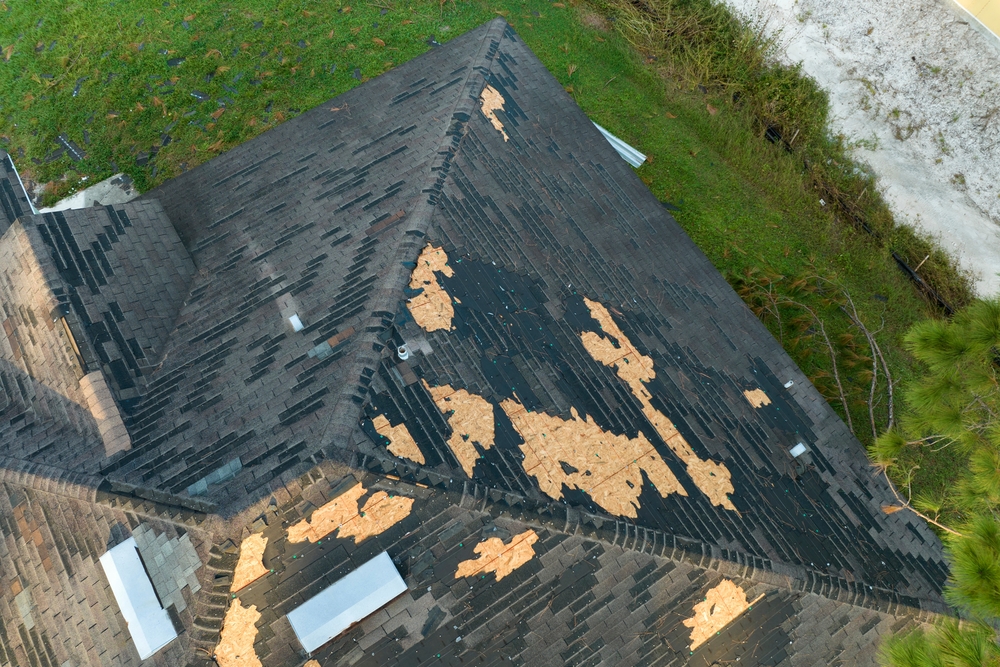
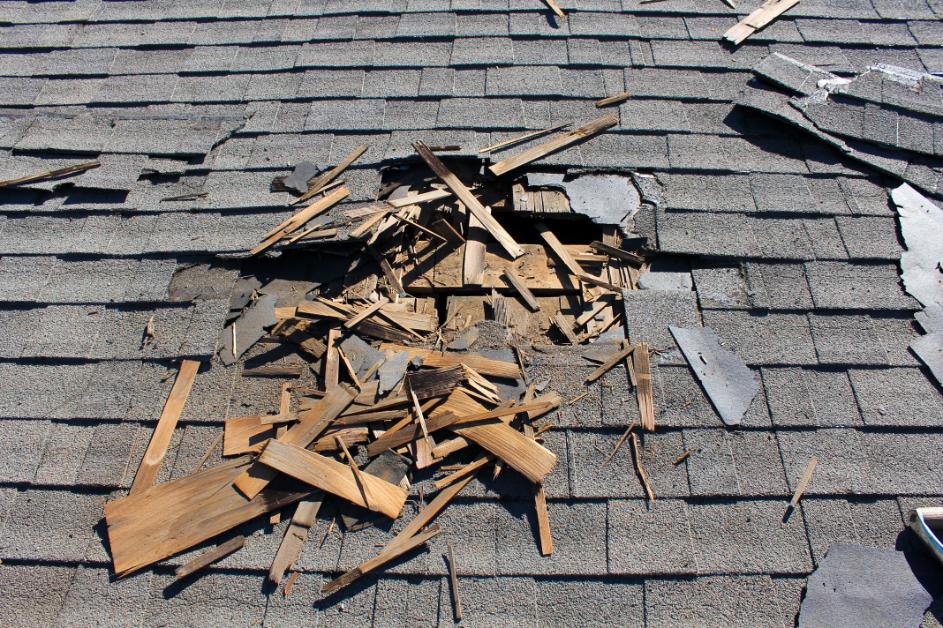
Missing, cracked, curling, or broken shingles.
Water stains on ceilings or attic insulation.
Sagging roof sections or uneven rooflines.
Granules collecting in gutters or around downspouts.
Loose or damaged flashing around vents and chimneys.
Cracked, warped, or deteriorating siding.
Peeling exterior paint accompanied by soft or damaged wood.
Rising cooling costs during hot summer months.
When to Call a Professional
Professional evaluation is recommended whenever visible roof damage, recurring leaks, or structural concerns are present. While homeowners can safely observe their roof from the ground, climbing onto the roof carries significant safety risks.
A qualified inspection can determine whether isolated repairs are appropriate or whether a full replacement provides better long-term value.
Common Local Causes
Several local conditions contribute to roof replacement needs in this area.
Intense Summer Sun
Extended UV exposure gradually dries roofing materials and accelerates aging.
Seasonal Rain
Winter storms may expose aging flashing, worn shingles, and vulnerable roof valleys.
Wind Damage
Strong seasonal winds can loosen shingles, lift flashing, and scatter debris across roofing surfaces.
Aging Homes
Many homes throughout the region are reaching an age where original roofing systems are approaching the end of their service life.
Deferred Maintenance
Minor repairs that are postponed often allow moisture intrusion to spread into surrounding building materials.
Prevention and Maintenance
Preventive maintenance helps maximize the lifespan of both the roof and exterior.
Homeowners should:
Schedule professional inspections every few years and after major storms.
Keep gutters free of leaves and debris.
Trim tree branches that hang over the roof.
Watch for signs of moisture around windows, fascia, and siding.
Address small repairs before they develop into larger problems.
Routine inspections before winter rainfall can help identify issues while repairs are generally easier to complete.
Expected Results
A professionally installed roof replacement and coordinated exterior upgrade can improve weather protection, energy efficiency, appearance, and overall property value. Homeowners may also experience fewer maintenance concerns and greater confidence during severe weather seasons.
Actual performance depends on material selection, installation quality, and ongoing maintenance.
Common Mistakes
Waiting Until a Leak Appears
Consequence: Water damage may already be affecting insulation, framing, or ceilings.
Better Approach: Schedule inspections when the roof begins showing signs of age.
Replacing Only Visible Damage
Consequence: Hidden deterioration may continue spreading beneath the surface.
Better Approach: Evaluate the entire roofing system and surrounding exterior components.
Ignoring Exterior Materials
Consequence: Damaged siding or fascia may continue allowing moisture intrusion even after a new roof is installed.
Better Approach: Consider the roof and exterior as one protective system.
Common Local Scenario
A homeowner notices a few missing shingles after a winter storm but delays repairs because no leaks are visible. During the following summer, prolonged heat causes additional materials to deteriorate. By the next rainy season, moisture begins entering the attic through weakened flashing and aging roofing materials.
An earlier inspection could have identified the developing issues before interior damage occurred.
Related Service Solutions
Depending on the condition of the property, solutions may include:
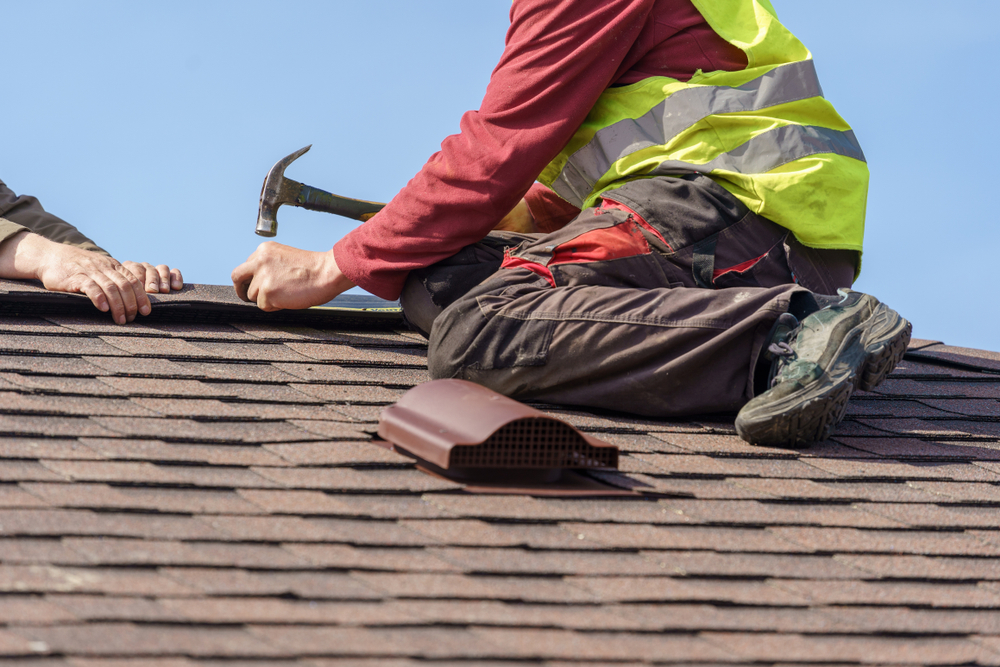
Complete roof replacement
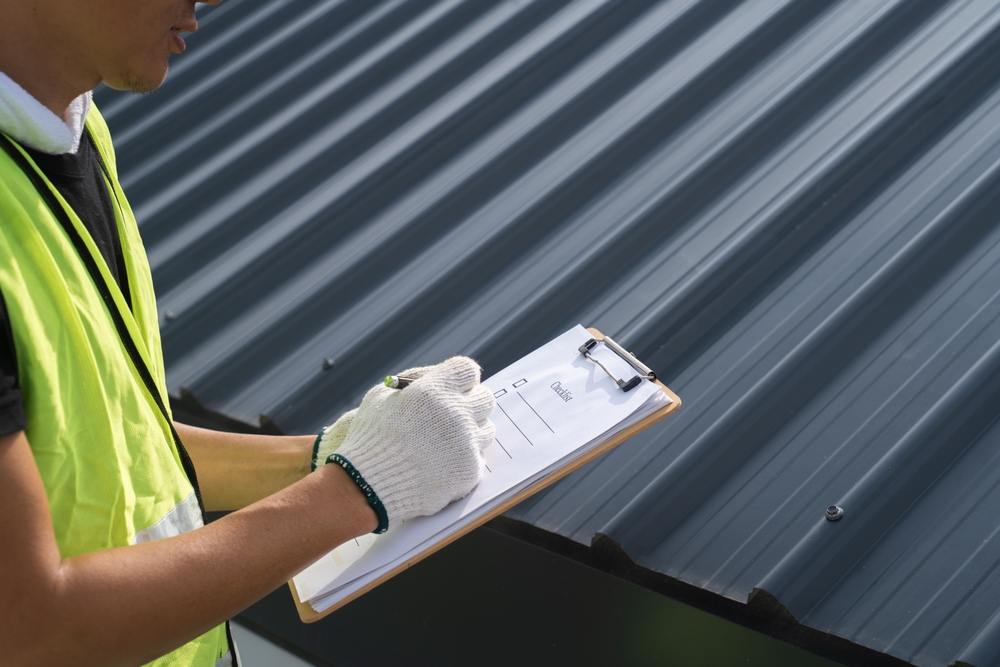
Roof inspections
Roof repairs
Gutter replacement
Fascia and trim repairs
Exterior siding improvements
Ventilation upgrades
Each recommendation should be based on the property’s current condition rather than age alone.
Improves appearance and addresses visible deterioration
Roofing issues may still remain
Combined Roof and Exterior Project
Comprehensive protection with coordinated improvements
Best suited for aging homes needing multiple upgrades
Service Areas
We proudly serve homeowners throughout Lodi and surrounding communities including Woodbridge, Acampo, Galt, Stockton, and other nearby areas within San Joaquin County.
Local knowledge helps us recommend solutions that fit the climate and building conditions common throughout the region.
Cost of Ignoring the Issue
Delaying replacement can increase repair costs as moisture spreads into insulation, framing, ceilings, and wall assemblies. What begins as a small roofing issue may eventually require much more extensive restoration work.
How do I know if my roof needs replacement in Lodi, CA?
The clearest signs include widespread shingle damage, recurring leaks, visible sagging, and an aging roof nearing the end of its expected lifespan. A professional inspection provides the most accurate assessment.
Does the Lodi climate affect roof lifespan?
Yes. Long periods of intense sunshine, seasonal rain, and changing temperatures gradually wear roofing materials faster than many homeowners expect.
Should siding be replaced when replacing a roof?
Not always. If the siding remains in good condition, replacement may not be necessary. However, damaged fascia, trim, or siding should be evaluated during the project.
How often should homeowners schedule roof inspections in San Joaquin County?
Most homeowners benefit from periodic professional inspections and additional evaluations after severe storms or high wind events.
Can replacing my roof improve energy efficiency?
Yes. Modern roofing systems, proper attic ventilation, and updated exterior materials may help reduce heat transfer and improve indoor comfort.
Is it better to repair or replace an older roof?
If repairs become frequent or damage is widespread, replacement often provides better long-term value than repeated patchwork repairs.
Protect Your Home with a Roof and Exterior You Can Trust
A strong roof and well-maintained exterior help protect your home from the unique weather conditions found throughout Lodi and the surrounding Central Valley. Whether you’re dealing with aging materials or visible damage, understanding the warning signs allows you to make informed decisions before small issues become major expenses.
Ready to Explore Your Roofing Options?
Our team is here to help you understand the condition of your roof and exterior so you can make the right decision for your home.
Your roof protects your home from intense Central Valley sun, winter rain, and the occasional strong windstorm that moves through San Joaquin County. If you’ve started noticing missing shingles, ceiling stains, or rising energy bills, you may be wondering whether a simple roof repair will solve the problem or if it’s time to replace the entire roof.
Quick Answer
The best way to tell whether your roof needs a repair or a total replacement is by evaluating the age of the roof, the extent of the damage, and whether the problems are isolated or widespread. Small, localized issues often qualify for repairs, while an aging roof with repeated leaks, extensive deterioration, or structural concerns may be a better candidate for replacement.
What Local Readers Should Know
A few damaged shingles after a storm can often be repaired without replacing the entire roof.
Roofs in Lodi experience long periods of intense UV exposure that can shorten the lifespan of roofing materials.
Homes throughout San Joaquin County may have roofs of varying ages, especially in established neighborhoods where original roofing systems are reaching the end of their service life.
Regular inspections after winter storms can help identify problems before they become expensive.
Delaying roof issues may allow water to damage insulation, framing, drywall, and other parts of your home.
Why This Matters Locally
Knowing whether your roof needs a repair or replacement matters because the local climate places unique demands on roofing systems. Long, hot summers in Lodi expose shingles to constant ultraviolet radiation, while seasonal rain can quickly find its way through even small openings. Mature neighborhoods throughout Woodbridge, Lockeford, Stockton, Galt, and the surrounding San Joaquin County area also contain many homes with aging roofing systems that require careful evaluation.
At Gonzalez Roofing, we help homeowners understand the condition of their roofs so they can make informed decisions based on the actual condition of the roofing system rather than guesswork.
Local Data or Field Observations
Professional field observations throughout the Central Valley show that many roofing problems begin with gradual wear rather than dramatic storm damage. Prolonged sun exposure often causes asphalt shingles to become brittle over time, while flashing around chimneys, vents, and skylights may deteriorate before the shingles themselves. Small leaks frequently become noticeable only after winter rain reveals hidden moisture inside the home.
Local Impact
Roof problems affect more than just the exterior appearance of a home. Water intrusion can damage insulation, ceilings, walls, and attic framing. Poor roof performance may also reduce energy efficiency by allowing conditioned air to escape during hot California summers.
Addressing roofing issues early can help homeowners avoid larger repairs while protecting the overall value of their property.
Warning Signs
The following warning signs may indicate your roof needs professional attention:
Missing, cracked, or curling shingles.
Water stains on ceilings or interior walls.
Granules collecting in gutters or around downspouts.
Sagging areas along the roofline.
Moss, algae, or excessive debris trapping moisture.
Repeated leaks in the same locations.
Flashing that appears loose, rusted, or damaged.
A roof approaching or exceeding its expected lifespan.
When to Call a Professional
A professional inspection is recommended whenever you notice signs of water intrusion, visible roof damage, or recurring leaks. While homeowners can safely look for obvious issues from the ground or inside the attic, climbing onto a roof can be dangerous and may overlook hidden structural problems.
An experienced inspection can determine whether damage is isolated enough for repairs or widespread enough to justify replacement.
Common Local Causes
Several factors commonly contribute to roofing problems in the region.
1. Intense Sun Exposure
Extended UV exposure gradually dries out roofing materials, making shingles brittle and more likely to crack.
2. Seasonal Rain
Even minor cracks or missing shingles can allow rainwater to enter the roofing system during winter storms.
3. Aging Roofing Materials
Many homes eventually reach the point where repairs become less practical than replacing the roof.
4. Wind Damage
Strong wind events can loosen shingles, flashing, and ridge caps, creating openings for water.
5. Deferred Maintenance
Small maintenance issues that go unaddressed often develop into much larger roofing problems over time.
Prevention and Maintenance
Routine maintenance helps maximize the life of any roofing system.
Homeowners should:
Schedule regular roof inspections.
Keep gutters clean and flowing properly.
Trim tree branches away from the roof.
Address small leaks promptly.
Inspect the attic after major storms for signs of moisture.
While visual inspections from the ground are helpful, repairs involving roofing materials should be left to trained professionals.
Expected Results
A properly selected roof repair can restore protection when damage is limited to a small area. A complete replacement provides a fresh roofing system when the existing roof has reached the end of its useful life or has widespread deterioration.
The right solution depends on the overall condition of the roof rather than a single damaged area.
Common Mistakes
Mistake: Ignoring Small Leaks
Consequence: Minor leaks often become larger repairs after water spreads into surrounding materials.
Better Approach: Schedule an inspection as soon as water intrusion is discovered.
Mistake: Replacing Only Visible Shingles
Consequence: Hidden underlayment or flashing problems may remain unresolved.
Better Approach: Have the entire roofing system evaluated before deciding on repairs.
Mistake: Waiting Until Multiple Leaks Develop
Consequence: Delaying service may increase repair costs and interior damage.
Better Approach: Address roofing concerns while they are still localized.
Common Local Scenario
A common situation involves a homeowner discovering a ceiling stain after the first significant winter rain. An inspection reveals several damaged shingles along with worn flashing around a roof penetration. If the rest of the roof remains in good condition, repairs may restore the system effectively. However, if the roof is already nearing the end of its expected lifespan and similar issues appear across multiple sections, replacement may provide better long-term value.
Related Service Solutions
Several roofing services can help protect your home depending on the condition of your roof.
Roof inspections identify developing issues before they worsen.
Roof repairs address isolated damage.
Roof replacements restore aging or extensively damaged roofing systems.
We proudly serve homeowners throughout Lodi, Woodbridge, Lockeford, Stockton, Galt, and surrounding communities across San Joaquin County. Our goal is to provide roofing solutions that reflect the needs of local homes and local weather conditions.
Cost of Ignoring the Issue
Waiting to address roofing problems can allow water damage to spread into insulation, drywall, structural framing, and other building materials. What begins as a relatively small repair may eventually require much more extensive restoration work.
How do I know if my Lodi roof can be repaired instead of replaced?
The answer depends on the extent of the damage. Localized problems such as a few missing shingles or damaged flashing are often repairable, while widespread deterioration or an aging roof may make replacement the better option.
How long does a roof typically last in the Central Valley?
The lifespan varies by roofing material, installation quality, maintenance, and exposure to local weather. Regular inspections help determine how much useful life remains.
Can intense summer heat damage my roof?
Yes. Prolonged UV exposure can dry out roofing materials, causing shingles to become brittle over time and making them more susceptible to cracking.
Should I have my roof inspected after winter storms in San Joaquin County?
Yes. Even if you do not notice an immediate leak, storms can loosen shingles or damage flashing that may later allow water intrusion.
Will replacing my roof improve energy efficiency?
A new roofing system may improve overall performance when combined with proper ventilation and insulation, particularly if the existing roof has deteriorated significantly.
Can small roof leaks become major problems?
Yes. Water often travels beyond the visible leak, allowing hidden damage to develop inside the attic, insulation, and walls if repairs are delayed.
Closing
Choosing between a roof repair and a complete replacement starts with understanding the condition of your roofing system. A professional inspection can help identify the most practical solution while protecting your home from future weather-related damage.
Protect Your Lodi Home with the Right Roofing Solution
Whether you need a targeted repair or a complete roof replacement, we’re here to help you make an informed decision with honest recommendations based on your roof’s condition.
A sudden roof leak or storm damage can turn an ordinary day into a stressful emergency. Whether high winds tear off shingles, a fallen tree branch punctures the roof, or heavy rain exposes an existing weak spot, acting quickly can help reduce damage to your home. For homeowners in Lodi, knowing the right steps to take after roof damage can make the difference between a manageable repair and a much larger restoration project.
Quick Answer
Emergency roof repair in Lodi CA starts with protecting your family, minimizing additional water intrusion, documenting the damage, and contacting a qualified roofing professional as soon as conditions are safe. Temporary measures may help reduce further damage, but permanent repairs should be completed promptly to protect your home’s structure and prevent moisture-related issues.
What Local Readers Should Know
Roof leaks can spread beyond the visible stain, allowing water to travel through insulation, framing, and ceilings before it becomes obvious.
Winter storms and seasonal wind events across San Joaquin County can damage roofing materials even if the roof appeared to be in good condition beforehand.
Homes throughout Lodi, Woodbridge, Lockeford, Acampo, and nearby communities often experience roof issues caused by aging materials and weather exposure.
Taking photographs before temporary repairs can help document the condition of your roof for insurance purposes.
Fast action helps reduce the likelihood of mold growth, damaged insulation, and costly interior repairs.
Why This Matters Locally
Emergency roof damage can happen at any time, but local weather patterns make preparation especially important. Lodi experiences periods of strong winds, seasonal rain, intense summer heat, and occasional storms that place ongoing stress on roofing materials. Older neighborhoods with mature trees may also see roof damage caused by falling limbs during severe weather.
These conditions mean local homeowners should treat roof damage seriously and avoid delaying repairs once problems are discovered.
At Gonzalez Roofing, we understand how stressful unexpected roof damage can be, and we work to help homeowners protect their properties with prompt, professional roofing solutions.
Local Data or Field Observations
Professional field observations show that many emergency roof repairs begin with relatively small issues that worsen after storms. Missing shingles, damaged flashing, clogged valleys, and aging sealants often allow water to enter once heavy rain arrives. Homes with older roofing systems may also experience hidden deterioration that is only discovered after a leak develops.
Local Impact
Roof emergencies affect far more than the roof itself. Water intrusion can damage drywall, flooring, insulation, electrical systems, and personal belongings. Even a minor leak can continue spreading behind walls if it is not addressed quickly.
For homeowners throughout San Joaquin County, delaying repairs may also increase restoration costs by allowing moisture to remain trapped inside the home.
Warning Signs
Emergency roof damage is not always obvious. Watch for these warning signs:
Water stains on ceilings or walls
Active dripping during or after rainfall
Missing, curled, or lifted shingles
Pieces of roofing material found in the yard
Sagging ceiling sections
Damaged flashing around chimneys or vents
Tree branches resting on the roof
Sunlight visible through the attic
When to Call a Professional
Emergency roof repair requires professional attention whenever structural damage, active leaks, storm damage, or fallen debris are involved. Homeowners can safely monitor interior leaks by placing containers under dripping water and moving valuables away from affected areas.
Climbing onto a damaged roof during or immediately after severe weather is not recommended. Wet roofing materials can be slippery, and hidden structural damage may create additional hazards.
Common Local Causes
Several issues commonly lead to emergency roof repairs in the Lodi area.
Storm Damage
Strong seasonal winds can loosen shingles, lift flashing, or expose vulnerable areas that allow rainwater inside.
Falling Tree Limbs
Mature trees throughout established neighborhoods provide shade but can also become a source of roof damage during storms.
Aging Roofing Materials
Years of exposure to California sunshine gradually break down roofing materials, making them more vulnerable during heavy weather.
Flashing Failures
Flashing around skylights, chimneys, and roof penetrations often deteriorates before the main roofing material, creating common leak points.
Deferred Maintenance
Small maintenance issues that go unaddressed frequently become emergency repairs after the first significant storm.
Prevention and Maintenance
Regular inspections remain one of the best ways to reduce the risk of emergency roof repairs.
Helpful maintenance practices include:
Inspect the roof after major storms from the ground.
Keep gutters free of debris.
Trim tree branches away from the roof.
Replace damaged shingles before leaks develop.
Schedule professional roof inspections as the roof ages.
DIY maintenance should remain limited to safe ground-level observations. Roof repairs should be completed by trained professionals with appropriate safety equipment.
Expected Results
Prompt emergency roof repair can stop active leaks, prevent additional structural damage, and restore the roof’s ability to protect the home. Depending on the severity of the damage, repairs may include replacing shingles, repairing flashing, sealing leak points, or replacing damaged decking.
Early intervention often reduces both repair complexity and overall restoration costs.
Common Mistakes
Mistake: Waiting several days before calling a roofer. Consequence: Water continues spreading into insulation and structural framing. Better Approach: Schedule an inspection as soon as conditions are safe.
Mistake: Covering leaks with excessive caulk or roofing cement. Consequence: Temporary patches may trap moisture and complicate permanent repairs. Better Approach: Use temporary protective measures only until professional repairs can be completed.
Mistake: Ignoring small ceiling stains. Consequence: Hidden leaks may continue for weeks before major damage becomes visible. Better Approach: Investigate water stains promptly before they worsen.
Common Local Scenario
A homeowner notices water dripping from the ceiling after an overnight storm. The leak appears small, but inspection later reveals that wind lifted several shingles and damaged flashing around a roof penetration. Because repairs are completed quickly, the homeowner avoids extensive drywall replacement and prevents moisture from spreading deeper into the attic.
Related Service Solutions
Emergency roof repair often leads to additional roofing services depending on the condition of the roof, including:
Roof leak repair
Storm damage repair
Flashing replacement
Shingle replacement
Roof inspections
Roof replacement for severely damaged or aging systems
May be appropriate when damage extends beyond repairs
Full Roof Replacement
Long-term solution for aging or severely damaged roofs
Appropriate when repairs are no longer practical
Service Areas
We proudly serve homeowners throughout Lodi and surrounding communities including Woodbridge, Lockeford, Acampo, Galt, Stockton, and other nearby areas across San Joaquin County.
Cost of Ignoring the Issue
Waiting to repair emergency roof damage often leads to larger repair bills. Continued water intrusion can damage insulation, drywall, framing, flooring, and electrical components while increasing the likelihood of mold growth. Acting quickly helps limit additional damage and protects your home’s overall value.
How quickly should emergency roof repairs be completed in Lodi?
The best time to address emergency roof damage is as soon as conditions are safe. Prompt repairs help reduce additional water damage and prevent moisture from spreading throughout the home.
Can I stay in my home during an emergency roof repair?
In many situations, yes. If the damage is limited and there are no structural concerns, homeowners can often remain in the home while repairs are completed. Severe structural damage may require additional precautions.
What should I do if my roof starts leaking during a storm in Lodi?
Move valuables away from the leak, place containers under dripping water, and avoid climbing onto the roof. Once weather conditions improve, arrange for a professional roof inspection.
Does every roof leak require a full roof replacement?
No. Many leaks can be repaired successfully if the damage is localized and the overall roofing system remains in good condition.
Are fallen tree branches always an emergency?
Yes. Even if there is no visible leak, fallen branches may have damaged roofing materials or weakened the structure beneath the surface. A professional inspection is recommended.
Why are roof inspections important after storms in San Joaquin County?
Storms can loosen shingles, damage flashing, and create hidden entry points for water. An inspection helps identify issues before they develop into larger repairs.
How can I reduce the chance of future emergency roof repairs?
Routine inspections, gutter cleaning, trimming overhanging branches, and repairing minor roof damage promptly all help reduce future emergencies.
Do older homes around Lodi require more frequent roof inspections?
Older homes often have aging roofing materials that benefit from regular inspections, especially after seasonal storms or periods of high wind.
Protect Your Home Before Small Roof Problems Become Major Damage
When unexpected roof damage occurs, fast action can help protect your home, reduce repair costs, and restore peace of mind. Working with an experienced roofing professional ensures the damage is properly evaluated and repaired before it leads to larger structural issues.
Get Fast, Reliable Emergency Roof Repair in Lodi CA
Your roof protects everything underneath it. We’re here to help you respond quickly when disaster strikes.
As the warm Central Valley summers fade and cooler temperatures begin rolling into Lodi, CA, homeowners often shift their attention toward heating systems, weatherstripping, and insulation. But one of the most important things you can do before winter arrives is take a hard look at your roof. A damaged or aging roof can turn the season’s first rainstorm into a costly nightmare, leading to water intrusion, structural damage, and mold growth inside your home.
The good news is that catching problems early gives you time to schedule a roof inspection and work with a trusted local roofing company before the wet season kicks in. Here are five critical roof signs that Lodi homeowners should never ignore heading into winter.
1. Shingle Damage That’s Visible From the Ground
One of the most obvious warning signs that your roof needs attention is shingle damage you can spot without even climbing a ladder. If you walk around your property and notice shingles that are curling at the edges, buckled in the middle, or visibly cracked, those are signals that your roof’s first line of defense is compromised.
Shingles are designed to lie flat and create a tight, overlapping barrier against rain and wind. When they begin to warp or crack, water can seep underneath and start working its way into your roof decking, attic, and eventually your living space. In Lodi and the broader Central Valley, summers are brutal and dry, which can accelerate shingle deterioration faster than in cooler climates. By the time fall arrives, that sun-baked shingle damage can leave your roof dangerously vulnerable to the region’s winter rainfall.
If you spot missing shingles or find granules collecting in your gutters, those are additional signs that your shingles are breaking down. Granules protect shingles from UV exposure, and once they start shedding in significant quantities, the shingles lose their ability to do their job effectively. Contact a roofing contractor sooner rather than later to assess how widespread the damage is and whether repair or replacement is the smarter investment.
2. Water Stains or Moisture Inside Your Attic
Many homeowners never think to check their attic until there is already a noticeable leak inside the home. But by that point, water damage has often been building for weeks or even months. One of the smartest things a Lodi homeowner can do in the fall is grab a flashlight and spend a few minutes inspecting the attic before winter rain arrives.
Look for dark staining or discoloration on the wood rafters and sheathing. Check for any soft or spongy spots, which can indicate prolonged moisture exposure. Pay close attention to areas around roof penetrations such as vents, chimneys, and skylights, since these are common entry points for water. If you notice any musty odors, that is another red flag that moisture has been present long enough to encourage mold or mildew growth.
Catching these signs early allows a qualified roofing contractor to pinpoint the source of the leak and perform targeted roof repair before the problem compounds. Addressing a small flashing issue in October costs a fraction of what it takes to remediate mold damage or replace rotted decking in January.
3. Sagging Roof Sections or Structural Irregularities
A roof that appears to sag or dip in certain sections is one of the more serious warning signs a homeowner can encounter. While minor imperfections can sometimes be attributed to normal aging, any visible sagging should be evaluated by a professional from a local roofing company right away.
Sagging typically points to problems deeper than the surface layer of shingles. It can indicate that the decking beneath the shingles has absorbed moisture over time and begun to weaken. In more severe cases, it may suggest that the structural supports underneath, including the rafters or trusses, have been compromised. Left unaddressed, a sagging section can collapse under the weight of water pooling during a heavy Central Valley rainstorm.
This is the kind of issue where a roof inspection pays for itself many times over. A professional can determine whether the sagging is isolated to a small section or whether it signals a more systemic structural issue. Either way, knowing the scope of the problem before winter puts you in a far stronger position to protect your home and your family.
4. Damaged or Deteriorating Flashing Around Key Areas
Flashing is the thin metal material used to seal the joints and transitions on your roof, particularly around chimneys, skylights, vents, and the valleys where two roof planes meet. It is one of the most critical components of a weathertight roof, and it is also one of the most commonly overlooked during routine home maintenance.
Over time, flashing can corrode, crack, pull away from its seals, or become improperly seated due to temperature fluctuations and natural settling of the home. In Lodi, the extreme heat of summer followed by cooler, wetter winters puts considerable stress on these metal components. When flashing fails, water has a direct pathway into your home, often in areas that are difficult to detect until significant damage has already occurred.
A thorough roof inspection by an experienced roofing contractor will include a close evaluation of all flashing points. If deterioration is found, roof repair at these locations is typically straightforward and relatively affordable, especially compared to the cost of repairing water damage to ceilings, walls, or insulation after a major leak.
5. Clogged or Damaged Gutters Pulling Away From the Roofline
Gutters might not technically be part of your roof, but they play a critical supporting role in keeping your roofing system functional. When gutters become clogged with debris, they can no longer channel water away from your home effectively. Instead, water backs up and sits along the roofline, increasing the risk of moisture intrusion under your shingles and into your fascia boards.
In Lodi, CA, fall means falling leaves, and gutters can fill up quickly as temperatures drop. Beyond simple clogging, look for gutters that are visibly pulling away from the fascia or sagging in the middle. These are signs that the weight of debris and standing water has stressed the gutter system, and that the fascia boards may already be compromised.
When fascia boards rot due to prolonged water exposure, it creates a direct vulnerability at the edge of your roof. A local roofing company that also handles exterior work can assess whether your gutters and fascia need attention before the first serious rainstorm of the season hits the Central Valley.
Conclusion
Winter in Lodi may be mild compared to much of the country, but the region’s seasonal rainfall is more than enough to expose every weakness in a compromised roof. Shingle damage, attic moisture, sagging sections, failing flashing, and gutter problems are all issues that tend to get worse, not better, once the rain starts falling. Scheduling a professional roof inspection now gives you the clarity and time to address repairs on your terms, rather than scrambling during or after a storm. Reach out to a trusted roofing contractor in Lodi, CA today, and give your home the protection it deserves heading into the colder months.
Need a Roofing Contractor in Lodi, CA?
Established in 2003, Gonzalez Roofing is a roofing and general contractor based in Lodi, California. We specialize in just about everything when it comes to roofing and general contracting including repairs, installations, maintenance, and gutter services for residential locations. With over 15 years of experience, we value providing quality services and high attention to detail. Contact us today for more information!
Temperatures in Lodi, CA, regularly climb past 100 degrees Fahrenheit, and your commercial building absorbs every bit of that solar energy. What many business owners do not realize is that their roof is either their greatest ally or their most expensive liability when it comes to energy costs. Commercial roofing decisions made today can significantly impact what you pay in utility bills for years to come.
One of the smartest investments a property owner can make is applying energy-efficient roof coatings, and the savings they generate are very real.
What Are Commercial Roof Coatings and How Do They Work?
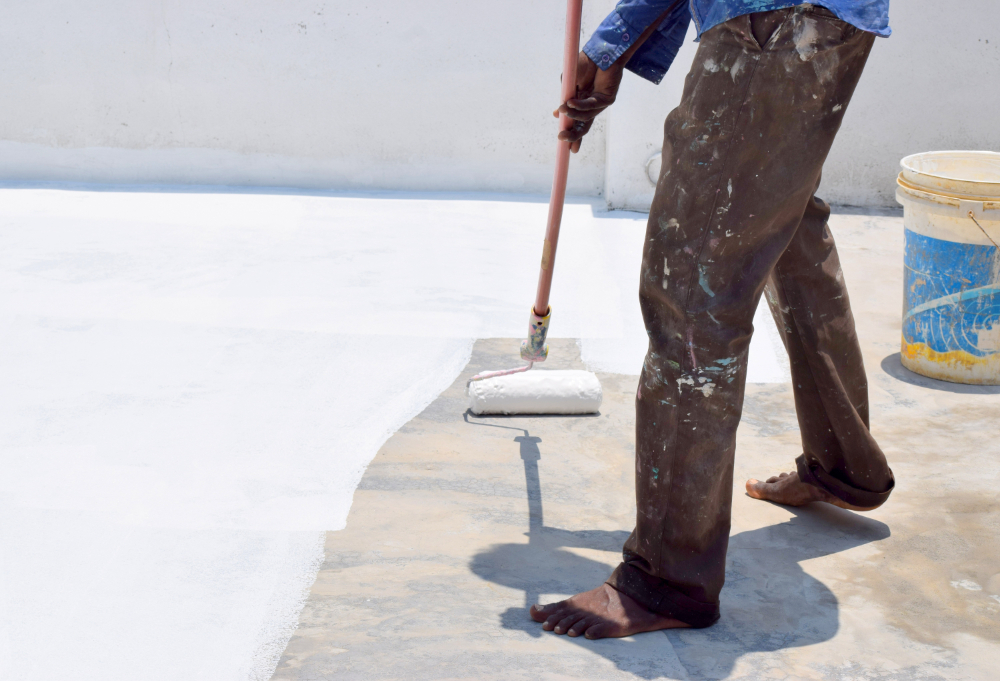
Commercial roof coatings are liquid-applied membranes that are rolled or sprayed directly onto an existing roofing surface. Once cured, they form a seamless, protective layer that reflects sunlight and reduces heat transfer into the building below. Unlike a full commercial roof replacement, coatings are applied over the existing structure, which cuts both material costs and labor time considerably.
The science behind these products is straightforward. Most commercial and industrial buildings in the Central Valley have flat or low-slope roofs covered in dark materials like built-up asphalt or modified bitumen. These surfaces absorb a massive amount of solar radiation throughout the day, which then radiates into the building as heat. A high-quality reflective coating, often referred to as a “cool roof” coating, can reflect up to 85 percent or more of incoming solar energy. This keeps the roof surface cooler and dramatically reduces the workload placed on your HVAC system.
For businesses in Lodi and surrounding areas, this matters enormously. When your air conditioning does not have to work as hard, it consumes less electricity, extends its own lifespan, and keeps your employees and customers more comfortable. The combination of reduced energy consumption and lower maintenance costs is why so many Central Valley businesses are turning to industrial roofing contractors for coating solutions rather than jumping straight to full replacements.
The Real Cost Savings: What the Numbers Actually Show
Business owners are understandably skeptical when contractors claim big savings. The good news is that the data supporting energy-efficient roof coatings is well-documented. According to the U.S. Department of Energy and various independent studies, cool roof coatings can reduce rooftop temperatures by as much as 50 to 60 degrees Fahrenheit on a hot day. That temperature reduction translates directly into measurable energy savings.
For a mid-size commercial building in the Central Valley, this can mean anywhere from 10 to 30 percent reduction in cooling energy costs during peak summer months. On an annual electricity bill of $30,000 or more, that kind of reduction adds up to thousands of dollars per year. Over a five to ten year period, a business could realistically save more than the entire cost of the coating project itself.
Beyond energy savings, roof coatings in CA also extend the life of the underlying roofing system. Ultraviolet radiation, thermal cycling (the constant expanding and contracting of roofing materials as temperatures rise and fall), and moisture infiltration are the primary enemies of a flat roof. A properly applied coating shields the membrane from all three of these threats. Industrial roofing contractors who specialize in flat roof maintenance consistently report that coated roofs last significantly longer than uncoated ones, often adding 10 to 15 years to a roof’s functional lifespan. Delaying a commercial roof replacement by even five years represents a massive financial benefit for any business owner.
Flat Roof Maintenance and Why Coatings Are a Smart Strategy
Flat roof maintenance is an ongoing responsibility for any commercial property owner. Without regular attention, small issues like ponding water, surface cracks, and membrane separations can evolve into major leaks that damage inventory, equipment, and interior finishes. Addressing these problems reactively is always more expensive than preventing them in the first place.
This is where commercial roofing contractors in Lodi and throughout the Central Valley provide genuine value. A professional application of a reflective or elastomeric coating does more than save energy. It also seals minor imperfections in the roof surface, creates a waterproof barrier, and reduces the thermal stress that causes materials to break down over time.
Elastomeric coatings, in particular, are popular for flat roof applications because they expand and contract with the building’s movement. This flexibility prevents cracking and keeps the waterproof seal intact even through the Central Valley’s extreme temperature swings. Silicone coatings are another popular option, especially in areas where ponding water is a concern, since silicone resists water absorption better than most alternatives.
The best approach is to work with experienced industrial roofing contractors who understand the specific demands of the local climate. A contractor familiar with conditions in Lodi, Stockton, Modesto, and surrounding CA communities will know which coating systems perform best in this region and how to prep the existing roof surface to maximize adhesion and longevity.
Comparing Roof Coatings to Full Commercial Roof Replacement
One of the most common questions business owners ask is whether they should invest in a coating system or proceed with a full commercial roof replacement. The answer depends on the current condition of the existing roof, but in many cases, a coating is the smarter choice.
A full commercial roof replacement in CA can cost anywhere from $10 to $30 per square foot or more, depending on the roofing system selected and the size of the building. For a 20,000-square-foot commercial building, that means a potential investment of $200,000 to $600,000. A coating system, by contrast, typically costs between $1.50 and $4 per square foot, representing a fraction of the replacement cost.
If the existing roof structure is fundamentally sound with no widespread moisture damage or structural failures, a coating system can deliver many of the same benefits as a full replacement at a dramatically lower price point. Industrial roofing contractors can perform a thorough inspection and moisture scan to determine whether the existing roof is a good candidate for coating. In situations where the substrate has significant damage, a replacement may still be necessary, but for buildings with relatively healthy roofs, a coating project is often the highest-return option available.
It is also worth noting that roof coating projects typically cause far less disruption to daily business operations than full replacement projects. Because there is no tear-off involved, there is less noise, less debris, and a faster overall timeline. For retail stores, warehouses, manufacturing facilities, and other businesses in Lodi, CA that cannot afford extended downtime, this is a significant practical advantage.
Finding the Right Commercial Roofing Partner in Lodi
Not all roofing contractors are equally equipped to handle commercial coating projects. Experience with commercial roofing systems, a solid track record in the Central Valley, and familiarity with local building codes and energy rebate programs are all important qualifications to look for.
Many utility companies and government programs in CA offer rebates and incentives for cool roof installations, which can further offset the upfront investment. A knowledgeable industrial roofing contractor in Lodi should be able to guide you through available incentive programs and help you maximize the financial return on your roofing project.
When evaluating contractors, ask for references from similar commercial and industrial properties, request documentation of manufacturer certifications, and make sure the contractor provides a written warranty covering both materials and workmanship. A quality coating system paired with expert installation is a long-term asset to your property.
Conclusion
Energy-efficient roof coatings represent one of the most cost-effective upgrades available to commercial property owners in the Central Valley. From Lodi to the broader CA market, businesses that invest in commercial roofing solutions like reflective and elastomeric coatings are seeing real reductions in energy costs, extended roof lifespans, and fewer emergency repair bills. Whether you are weighing a commercial roof replacement against a coating system or simply looking to get more out of your flat roof maintenance budget, consulting with qualified industrial roofing contractors in Lodi is the right first step toward protecting your building and your bottom line.
Need a Roofing Contractor in Lodi, CA?
Established in 2003, Gonzalez Roofing is a roofing and general contractor based in Lodi, California. We specialize in just about everything when it comes to roofing and general contracting including repairs, installations, maintenance, and gutter services for residential locations. With over 15 years of experience, we value providing quality services and high attention to detail. Contact us today for more information!